When someone suffers a cardiac arrest, every second counts. The defibrillator is the device that can make the difference between life and death. But what exactly is this critically important device?
Essentially, a defibrillator is a medical device that delivers a controlled electrical shock to the heart. Its purpose? To restore normal heart rhythm when it has been dangerously disrupted.
How Does a Defibrillator Work
The operation of a defibrillator is based on a simple yet effective principle. It delivers a powerful electrical discharge through special electrodes placed on the patient’s chest.
The Mechanism of Action
During cardiac arrest, the heart often quivers chaotically instead of contracting normally. This phenomenon is called atrial fibrillation or ventricular fibrillation. The electrical shock from the defibrillator “resets” all the heart cells to the same state. This gives the heart’s natural pacemaker a chance to regain control.
It’s like restarting a computer that has frozen – you give the system a chance to start fresh from the beginning.
Types of Defibrillators
Not all defibrillators are the same. There are various types, each designed for specific needs and environments.
Automated External Defibrillator (AED)
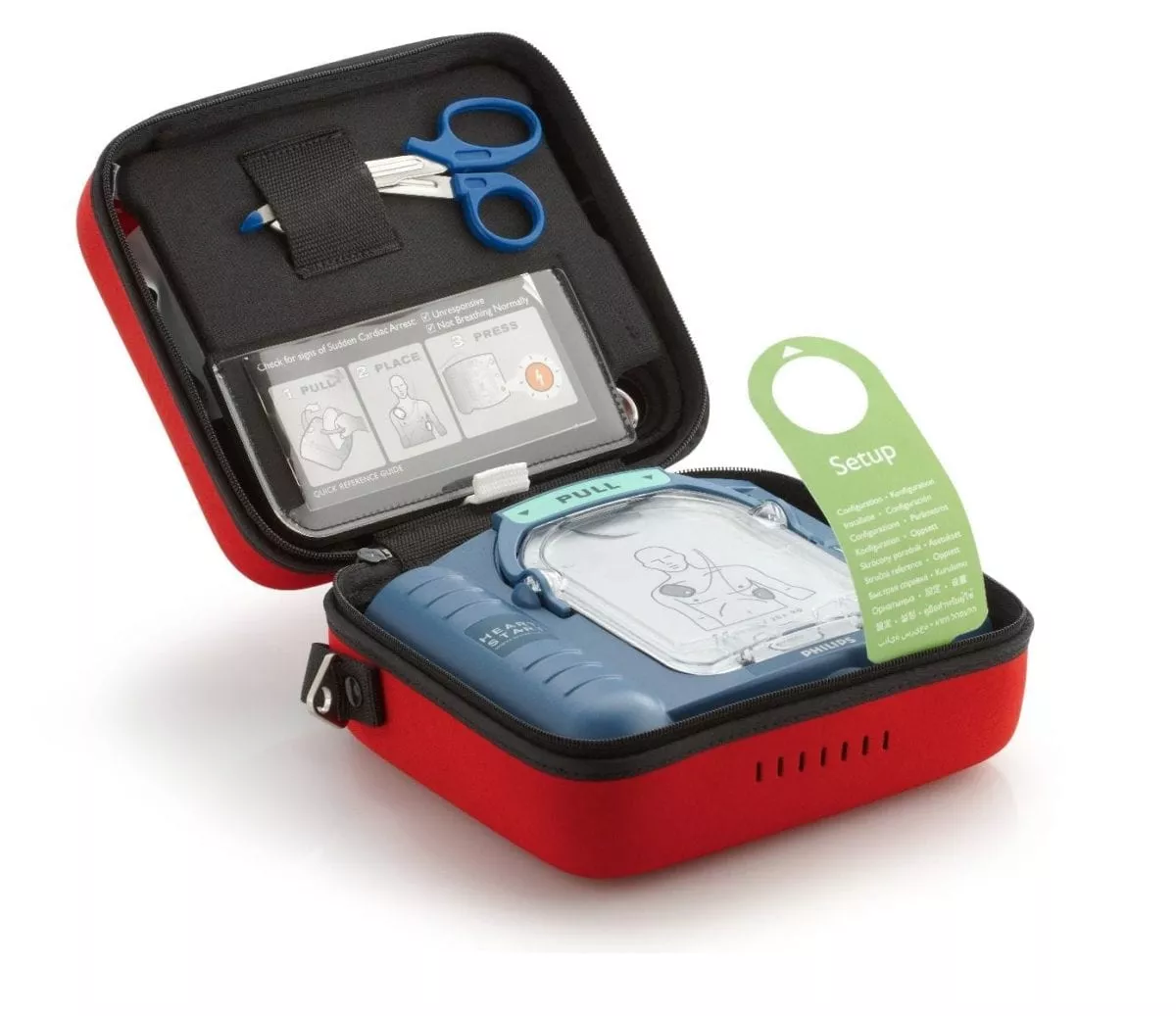
The AED is the most familiar type to the general public. These devices are designed so that anyone can use them, even without medical training.
AED Features:
- Automatic heart rhythm analysis
- Step-by-step voice instructions
- Automatic shock delivery when necessary
- Easy use by untrained personnel
Manual Defibrillator
This type is primarily used by trained medical personnel. The operator must analyze the heart rhythm and decide when to deliver the shock.
Implantable Cardioverter Defibrillator (ICD)
This is a small device surgically implanted in the chest of patients at high risk of cardiac arrest. It continuously monitors heart rhythm and automatically delivers shocks when needed.
When is a Defibrillator Used
A defibrillator isn’t a cure-all for every cardiac problem. It’s used in specific life-threatening situations.
Primary Indications for Use
- Ventricular Fibrillation: When the heart’s ventricles quiver chaotically instead of contracting in coordination.
- Ventricular Tachycardia: Dangerously fast heart rate that can lead to cardiac arrest.
- Sudden Cardiac Arrest: When the heart stops beating effectively.
It’s important to understand that a defibrillator doesn’t “start” a heart that has stopped completely (asystole). Instead, it corrects abnormal rhythms that prevent the heart from functioning properly.
How to Use an AED
Using an automated external defibrillator is simpler than most people think. Manufacturers have designed these devices to be as user-friendly as possible.
AED Usage Steps
- Check the person’s response – Tap firmly on the shoulders and shout “Can you hear me?”
- Call 911 immediately – Or ask someone else to do it
- Open the AED – The device will begin giving voice instructions
- Place the electrodes – Follow the pictures on the device
- Everyone stand clear – When the device analyzes or delivers shock
- Follow the instructions – The device will guide you through each step
Electrode Placement
Electrodes are placed in specific positions. One goes upper right on the chest, below the right collarbone. The other goes left and low, below the armpit. Proper placement is critical for treatment effectiveness.
Where to Find Defibrillators
Today, defibrillators have become more accessible than ever. You’ll find them in many public places where large numbers of people gather.
Common AED Locations
- Airports and train stations – High-traffic areas where stress can trigger cardiac episodes.
- Shopping centers and stores – Especially in large malls and supermarkets.
- Gyms and sports facilities – Where intense exercise can trigger cardiac problems.
- Schools and universities – To protect students, teachers, and visitors.
- Offices and companies – Many businesses have invested in AEDs to protect their employees.
Life-Saving Statistics
The numbers speak for themselves. According to research, using a defibrillator within the first three minutes of cardiac arrest can increase survival chances by up to 70%.
Without a defibrillator, survival chances decrease by approximately 10% for every minute that passes. This means that after 10 minutes, the chances are almost zero.
The Importance of Quick Intervention
Consider this: ambulances in the United States average 8-12 minutes to reach urban areas. In rural areas, response time can be even longer. This is where the value of publicly available AEDs becomes apparent.
Myths and Misconceptions
Many people hesitate to use a defibrillator due to fears and misconceptions. Let’s dispel the most common myths.
- “I’ll cause harm if I use it wrong” – This is one of the biggest fears, but it’s unfounded. Modern AEDs are smart devices. They analyze heart rhythm and won’t deliver a shock unless it’s absolutely necessary.
- “I need special training” – While training is always helpful, it’s not required to use an AED. The devices give clear, step-by-step instructions. They literally talk to you and tell you what to do.
Purchasing Criteria for Automated External Defibrillators
When deciding to purchase an AED for your business or community, there are specific criteria you should consider. The right choice can make the difference in effectiveness and device reliability.
Essential Features to Look For
- Ease of Use: The AED should have clear, loud voice instructions in English. Instructions must be simple and understandable even under pressure.
- Battery Life: Look for devices with batteries lasting at least 4-5 years in standby mode. Some advanced devices offer even longer duration.
- Environmental Durability: The device must function in various weather conditions. Check the operating temperature range and protection from dust and moisture.
- Self-Diagnostics: Modern defibrillators perform daily system checks. This ensures the device will be ready when needed.
Additional Value Features
- Screen with Visual Instructions: Besides voice instructions, a clear screen with images helps ensure proper use.
- Recording Capability: Many modern devices record the incident, which is invaluable for medical personnel.
- Pediatric Electrodes: Devices that include or are compatible with pediatric electrodes offer greater flexibility.
- Connectivity: Some advanced devices can connect to emergency management systems.
Reliable Market Options
Philips defibrillators represent an excellent choice that meets all the above criteria. The company has a long history in developing medical technology, and their AEDs are distinguished for their reliability and ease of use.
Philips devices offer clear voice instructions, have long battery life, and are built to withstand challenging conditions. Additionally, the company provides extensive support and training programs.
Maintenance and Care
Like any medical device, a defibrillator needs regular maintenance to function reliably when needed.
Regular Checks
- Battery: Most AEDs have indicator lights showing battery status. Batteries typically last 4-5 years.
- Electrodes: Electrodes have expiration dates. After this date, they may not stick properly or deliver shock effectively.
- Self-Diagnostics: Many modern defibrillators perform daily self-checks and alert if there’s a problem.
Cost and Accessibility
The cost of an AED ranges from $1,200 to $3,500, depending on features and advanced technology. It may seem expensive, but when you consider it can save a life, the investment is justified.
Legal Protection
In the United States, as in most countries, there are Good Samaritan laws that protect those who provide assistance in good faith. If you use a defibrillator trying to help someone, you’re legally protected from lawsuits.
This protection exists precisely to encourage people to help in emergency situations.
Training and Certification
Although you can use an AED without training, attending a first aid and AED seminar makes you more confident and effective.
What Training Includes
- Recognizing cardiac arrest
- Proper CPR technique
- AED use in various scenarios
- Special situations (drowning, children, pregnant women)
Many organizations offer such seminars. The American Red Cross, for example, regularly organizes training programs throughout the country.
The Future of Defibrillators
Defibrillator technology continues to evolve. New innovations make these devices even more effective and easier to use.
Technological Advances
- Connectivity: Modern defibrillators can connect to the internet, instantly sending information to hospitals.
- Smaller Size: New generations are more compact and lighter, making them more portable.
- Improved Analysis: More sophisticated algorithms for better recognition of rhythms requiring defibrillation.
- Integrated Systems: Connection with GPS systems for faster location by emergency services.
Community Importance
Every community that invests in defibrillators and citizen training dramatically increases survival chances from cardiac arrest. It’s a collective effort that can save the lives of neighbors, colleagues, friends, and family members.
The Role of Businesses
Many businesses recognize the value of investing in defibrillators. It’s not just about legal obligations – it’s about corporate responsibility and caring for people.
A company that has an AED and trained staff sends a powerful message: that the safety and health of employees and visitors is a priority.
Frequently Asked Questions
Can I use an AED on a child?
Yes, but special pediatric electrodes are needed for children under 8 years old or weighing less than 55 pounds. Adult electrodes can be used on older children.
What if the person is wet?
Dry the chest before placing electrodes. Water can cause burns or reduce shock effectiveness.
How painful is the shock?
For someone unconscious due to cardiac arrest, the shock isn’t felt. If someone is conscious (meaning they probably don’t need defibrillation), the AED won’t deliver a shock.
Conclusion
The defibrillator is one of the most important medical devices of recent decades. It has transformed sudden cardiac arrest from near-certain death to something that can be effectively treated.
The key is accessibility and education. The more people know how to use a defibrillator, the more lives we can save. It’s not a device just for doctors – it’s a tool for all of us.
The next time you see a defibrillator in a public space, remember: this small device could be the reason someone goes home to their family. And perhaps, someday, you’ll be the one making the difference.
Sources and Useful Links
Note: This article is based on general knowledge and established medical practices. For the most current information and specific guidelines, always consult healthcare professionals.
Official Organizations and Sources
- American Red Cross – First aid and AED training programs
- American Heart Association – Globally recognized CPR and AED guidelines
- Centers for Disease Control and Prevention (CDC) – Public health information and emergency preparedness
- National Institutes of Health (NIH) – Medical research and health information
International Sources
- European Resuscitation Council (ERC) – European resuscitation guidelines
- International Liaison Committee on Resuscitation (ILCOR) – International recommendations for resuscitation and defibrillator use
- World Health Organization (WHO) – Global health guidelines and emergency care protocols
Product Information
- Philips Healthcare – AED device information and support
Educational Resources
- National Safety Council – Safety training and certification programs
- Emergency Medical Services (EMS) – Contact your local EMS for training opportunities in your area
- Occupational Safety and Health Administration (OSHA) – Workplace safety guidelines including AED requirements
Training Organizations
- American Heart Association Training Centers – Find local training centers
This article is intended for informational purposes only. It does not replace professional medical advice, diagnosis, or treatment. Always consult with qualified healthcare professionals regarding your health. Never alter your treatment plan without medical guidance.
In the event of an emergency, contact local emergency services or visit the nearest hospital immediately. This website and its authors are not liable for outcomes resulting from reliance on the content herein. Readers must take full responsibility for their medical decisions.
Last Updated: August 2025