Navigating Health at Sea: The Critical Role of Diagnostic Tools for Vessel Crews
Introduction
Navigating Health at Sea: Life at sea presents distinct challenges for crew well-being. Isolation, limited access to medical support, and intense physical demands require robust health strategies. Diagnostic tools are essential in managing both life-threatening and chronic conditions. This article explores their role in promoting resilience and safety aboard vessels.
The Unique Health Challenges of Seafarers
Seafarers face health issues uncommon to land-based workers due to confinement, extended time offshore, and demanding tasks. Common concerns include:
- Musculoskeletal injuries
- Cardiac problems
- Respiratory conditions
- Gastrointestinal issues
- Mental health disorders such as anxiety and depression
Exposure to infectious diseases and hazardous substances heightens the complexity of maritime healthcare.
The Role of Diagnostic Tools
Modern diagnostic tools are critical for early detection and timely treatment. Examples include:
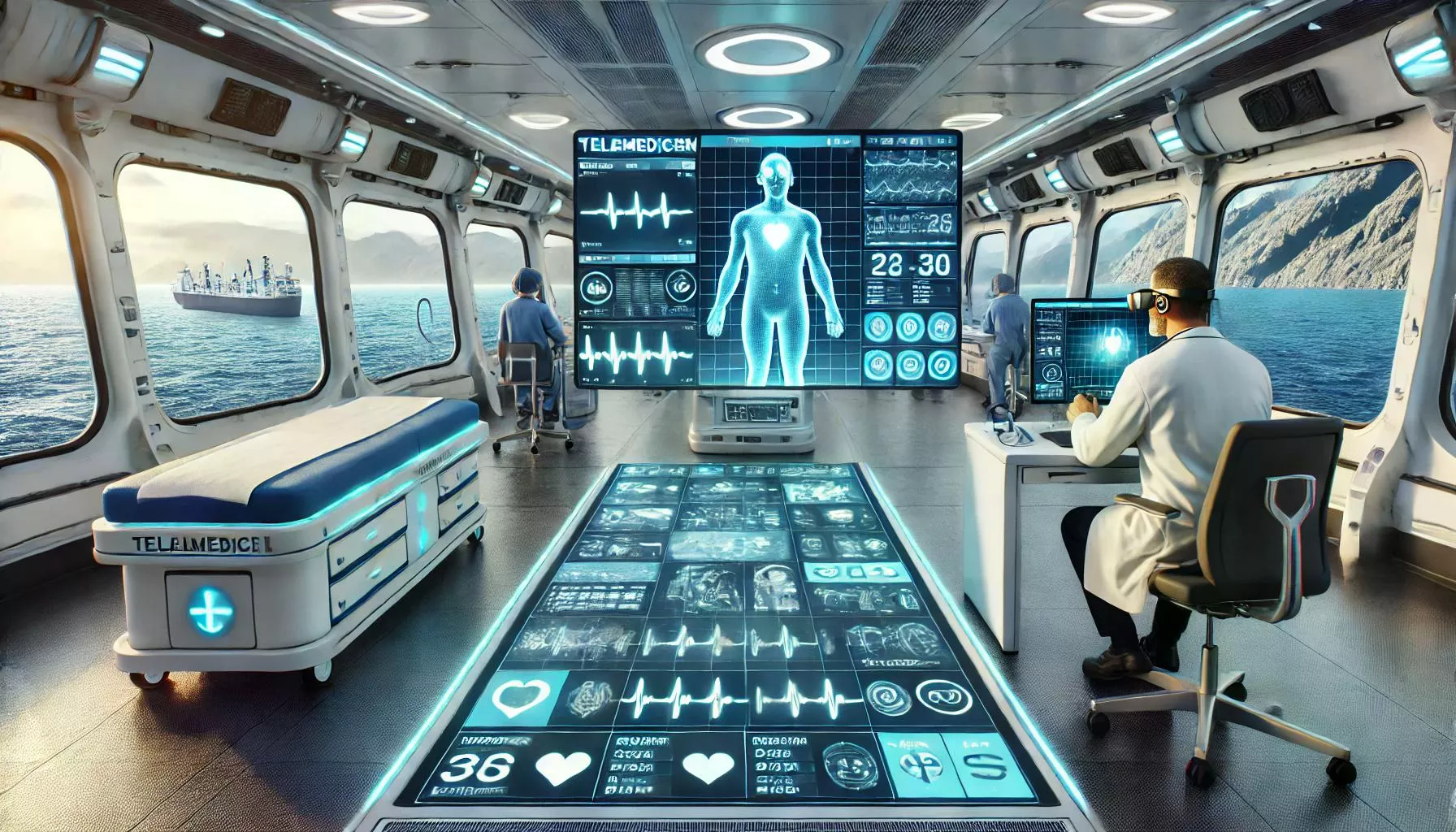
- Telemedicine Kits: Equipped with blood pressure monitors, pulse oximeters, thermometers, spirometers, and portable EKGs, these kits support remote consultations with shore-based doctors.
- Automated External Defibrillators (AEDs): These devices manage cardiac arrest by delivering shocks that restore heart rhythm—crucial in emergencies.
- Point-of-Care Testing (POCT) Devices: Tools like glucose meters, blood cell analyzers, and rapid test kits provide instant results for faster medical decisions.
- Mental Health Assessment Tools: Digital apps and screening forms help detect early signs of mental distress, enabling prompt support.
Impact on Life-Threatening Conditions
Timely use of diagnostic tools can be lifesaving. Examples include:
- Onboard AEDs and ECGs enable immediate intervention for cardiac events, increasing survival odds.
- Telemedicine kits let experts guide crews remotely through emergency treatment protocols for serious injuries and illnesses.
Impact on Non-Life-Threatening Conditions
Chronic and minor conditions impact crew efficiency. Diagnostics assist with:
- Early detection and monitoring of chronic illnesses, including hypertension and diabetes, to avoid complications.
- Routine health checks that support proactive care and sustained productivity.
Prompt diagnosis of digestive or respiratory ailments helps reduce risks of onboard outbreaks or long-term downtime.
Enhancing Overall Health and Well-Being
Diagnostic tools empower crews to take charge of their health. Key benefits include:
- Tracking baseline health status
- Identifying emerging risks
- Applying preventive measures in time
When crew members monitor their health consistently, they seek help sooner and stay committed to treatment plans—creating a more resilient workforce.
Conclusion
Diagnostic tools are indispensable aboard vessels. They ensure early intervention, reduce health risks, and boost emergency preparedness. By integrating these technologies, maritime operations enhance safety, performance, and crew satisfaction. As the industry evolves, investment in diagnostic capabilities will prove vital in supporting seafarers’ health and life quality.
References
- International Maritime Health. (2021). Retrieved from IMH article
- World Health Organization. (2021). Retrieved from WHO Telemedicine Survey
- American Heart Association. (2020). Retrieved from AHA Guidelines
- NICE. (2020). Retrieved from POCT Guidelines
- Journal of Occupational Medicine and Toxicology. (2021). Retrieved from Mental Health on Ships
Read Also