Understanding the Physiological Changes Post-Myocardial Infarction: Key Parameters and Their Trajectories
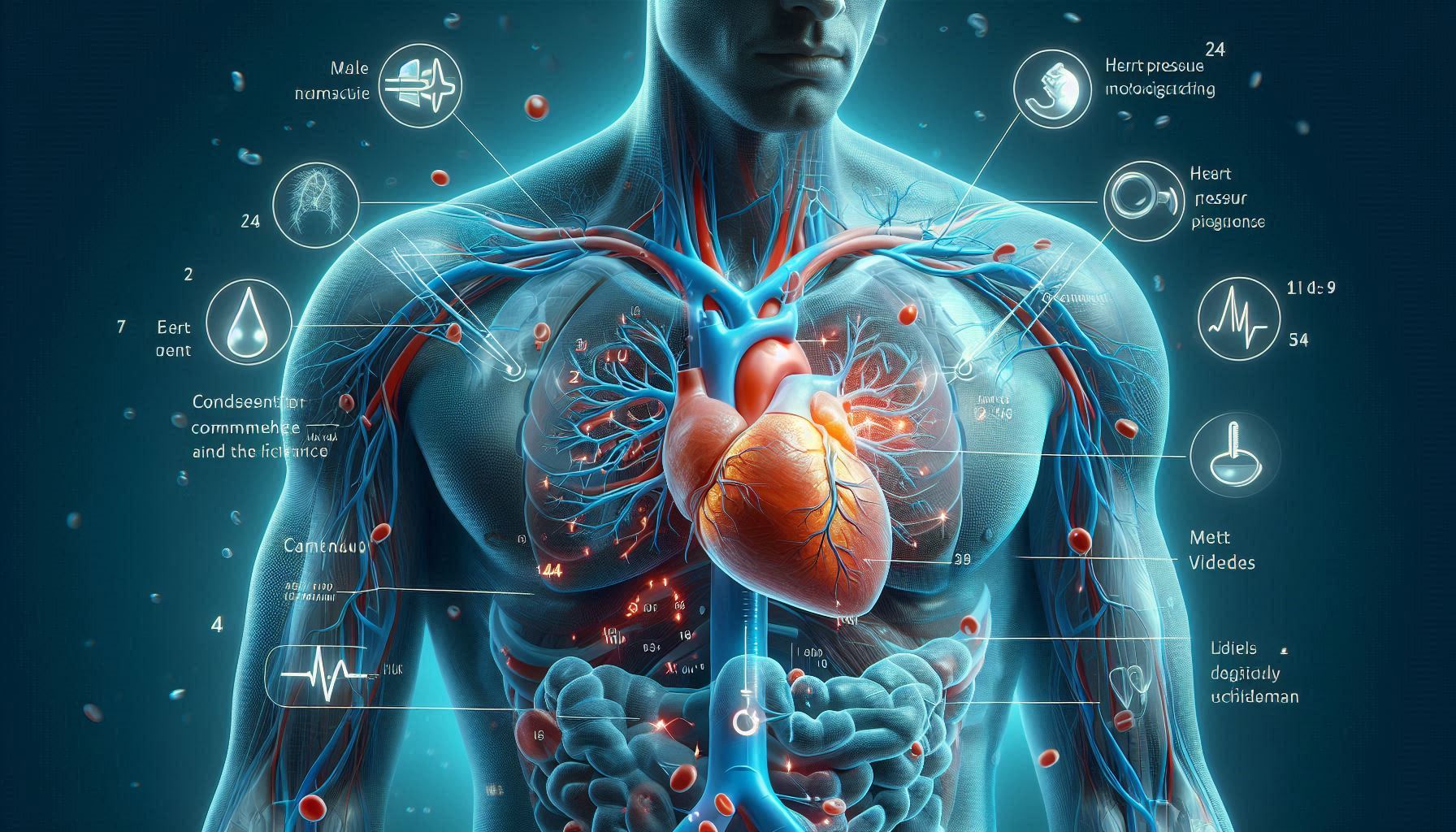
A heart attack, or myocardial infarction (MI), precipitates an array of physiological changes in the human body. These changes can be observed in various key parameters including temperature, blood pressure, heart rate, lipid profile, and blood cell counts.
Myocardial infarction (MI) is a medical emergency where the blood flow to the heart is abruptly cut off, causing tissue damage. The event sets off a chain reaction of physiological changes as the body attempts to stabilize and recover. Monitoring these changes is crucial for effective post-MI management and to prevent further complications. This article delves into how parameters like temperature, blood pressure, heart rate, lipid profile, white blood cell (WBC) count, red blood cell (RBC) count, and hematocrit levels change immediately following a heart attack and one week later.
Temperature
Immediately After a Heart Attack: Post-MI, patients often experience a mild fever. The rise in body temperature is primarily due to the inflammatory response triggered by tissue damage. Cytokines, released during inflammation, act on the hypothalamus to increase body temperature.
One Week Later: The fever typically subsides as the acute inflammatory response diminishes. If fever persists beyond one week, it could indicate complications such as infection or ongoing myocardial damage.
Blood Pressure
Immediately After a Heart Attack: Blood pressure responses post-MI can vary. Some patients may experience hypotension due to decreased cardiac output and impaired heart function, particularly if the heart attack is severe. Conversely, others may have elevated blood pressure due to heightened sympathetic nervous system activity and the release of stress hormones like adrenaline.
One Week Later: Blood pressure generally begins to stabilize within a week. Ongoing monitoring is essential to manage hypertension or hypotension, as both conditions can complicate recovery.
Heart Rate
Immediately After a Heart Attack: Tachycardia (elevated heart rate) is a common immediate response to MI. The body increases heart rate to compensate for the reduced efficiency of the heart’s pumping action. This is mediated by the sympathetic nervous system’s response to stress and the need to maintain cardiac output.
One Week Later: Heart rate may gradually decrease as the acute stress response wanes and the heart begins to recover. Persistent tachycardia may require medical intervention to prevent additional strain on the heart.
Lipid Profile
Immediately After a Heart Attack: MI often leads to an adverse lipid profile, characterized by elevated levels of low-density lipoprotein (LDL) cholesterol and triglycerides, along with decreased high-density lipoprotein (HDL) cholesterol. These changes contribute to the risk of future cardiovascular events.
One Week Later: Lipid-lowering therapies, such as statins, are typically initiated after an MI to manage these abnormalities. Regular lipid profile monitoring helps in assessing the effectiveness of the treatment and guiding further therapy adjustments.
White Blood Cell (WBC) Count
Immediately After a Heart Attack: An increase in WBC count is observed following an MI. This leukocytosis is part of the body’s inflammatory response to tissue injury. Elevated WBC levels help in the healing process and in fighting any potential infections.
One Week Later: WBC count usually begins to normalize as the inflammatory response reduces. Persistent elevation of WBCs may indicate ongoing inflammation or an infection that requires further investigation.
Red Blood Cell (RBC) Count and Hematocrit
Immediately After a Heart Attack: RBC count and hematocrit levels can be affected by MI. Acute myocardial infarction can lead to a slight decrease in hematocrit and hemoglobin levels due to the loss of blood supply and subsequent tissue damage.
One Week Later: Hematocrit and RBC levels generally stabilize within a week, assuming there are no complications such as internal bleeding or other underlying conditions. Ongoing monitoring is essential to ensure these parameters return to normal and to prevent complications.
Conclusion
Understanding the changes in key physiological parameters following an MI is crucial for effective patient management and recovery. Immediately after a heart attack, temperature, blood pressure, heart rate, lipid profile, WBC count, RBC count, and hematocrit levels all undergo significant alterations as the body responds to the event. Within a week, many of these parameters begin to stabilize, though careful monitoring and appropriate medical interventions remain essential to support the recovery process and prevent further complications. By comprehensively tracking these changes, healthcare providers can tailor treatment plans to each patient’s needs, ultimately improving outcomes and quality of life post-MI.
References
- American Heart Association. (2021). Understanding Heart Attack Recovery. Retrieved from https://www.heart.org/en/health-topics/heart-attack/understanding-heart-attack-recovery
- Cleveland Clinic. (2023). Heart Attack Symptoms, Diagnosis, and Treatment. Retrieved from https://my.clevelandclinic.org/health/diseases/16818-heart-attack-myocardial-infarction
- Mayo Clinic. (2023). Heart Attack. Retrieved from https://www.mayoclinic.org/diseases-conditions/heart-attack/symptoms-causes/syc-20373106
- National Institutes of Health. (2022). Acute Myocardial Infarction. Retrieved from https://www.ncbi.nlm.nih.gov/books/NBK459269/
- MedlinePlus. (2023). Blood Tests for Heart Attack. Retrieved from https://medlineplus.gov/lab-tests/blood-tests-for-heart-attack/
- PubMed Central. (2022). The Inflammatory Response in Myocardial Infarction. Retrieved from https://www.ncbi.nlm.nih.gov/pmc/articles/PMC7078796/
⚕️ IMPORTANT DISCLAIMER
The information contained in this article is provided solely for informational and educational purposes. It does not constitute medical advice, diagnosis, or treatment and should not be used as a substitute for professional medical evaluation. Always consult your doctor or other qualified healthcare professional for any questions or concerns about your health. Do not discontinue, change, or start any treatment without consulting your physician. The information may not be complete or current for your personal situation. In case of a medical emergency, immediately call emergency services or go to the nearest hospital. This website and its authors assume no responsibility for any harm, loss, or complications that may arise from the use of this information. Each reader is responsible for their own health-related decisions. Individual results may vary, and you should always seek professional medical advice before making health decisions. This content is not intended to replace professional medical consultation. The information provided is based on general medical knowledge and may not apply to specific individual cases
Read Also